
News
Former Immigration Judge Alleges Pressure Over Rulings As Court Filings Detail Her Reassignment
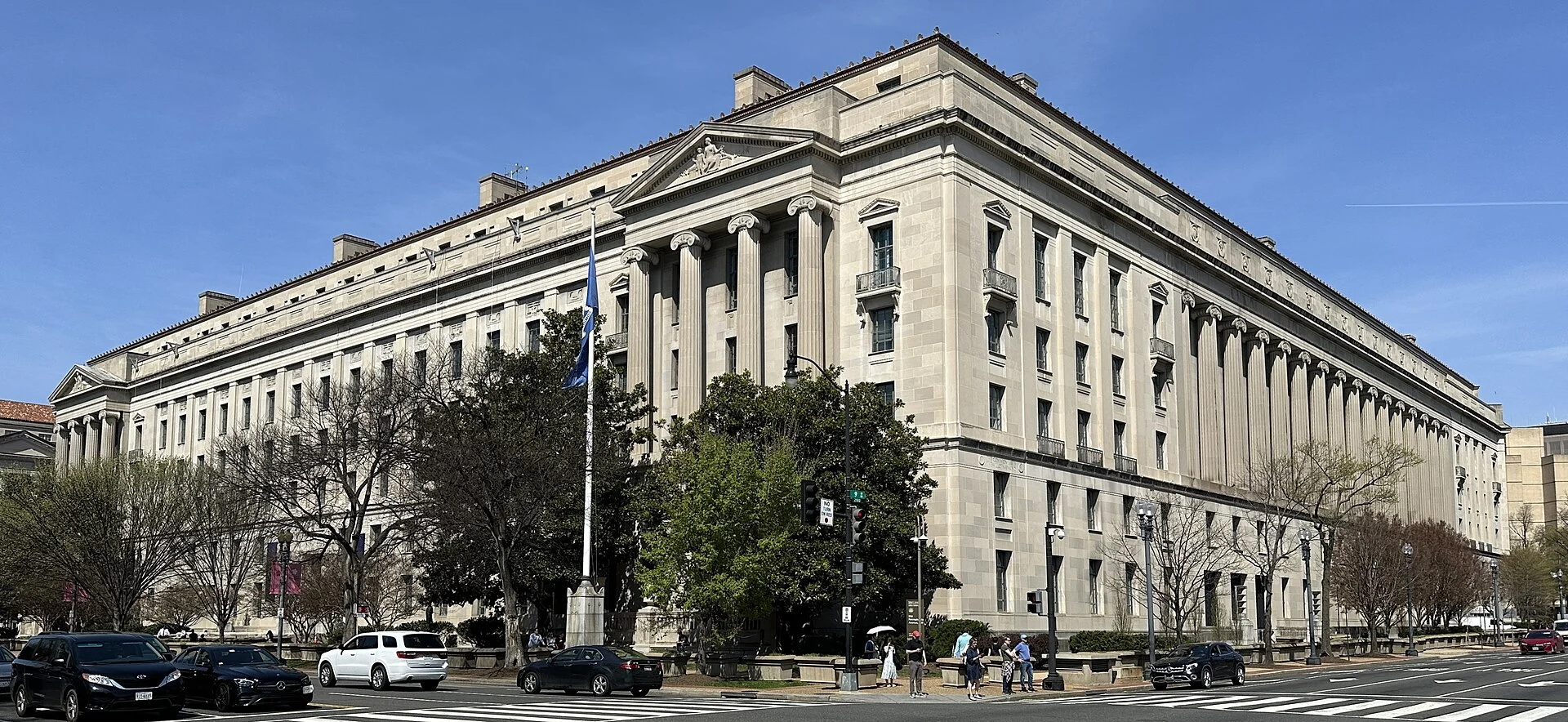
Former immigration judge Karen Donoso Stevens alleges supervisors pressured her to reverse rulings before she was removed from detained cases and dismissed on May 21, 2026, according to a Washington Post investigation published October 25.
Federal court filings reviewed by Lawlova.com show that concerns about her reassignment were documented months earlier. A retired immigration judge and an attorney with experience representing both the government and immigrants described her removal from Annandale’s detained docket in January and questioned changes in how requests for release were being decided. Their statements are evidence submitted by parties in litigation, rather than findings that officials unlawfully interfered with judicial decisions.
In an affidavit signed February 14, 2026, retired immigration judge Lawrence O. Burman said he had learned that Donoso Stevens and fellow immigration judge Raphael Choi were abruptly removed from their detained dockets in January, during their morning court sessions, and replaced by newly appointed judges.
Burman described a longstanding division of work at the Annandale Immigration Court in Virginia, where certain judges handled detained cases full time while others provided coverage. He identified Donoso Stevens and Choi as judges who had worked on those dockets for years.
The affidavit was submitted with a February 20 federal court filing. Burman said he had observed an unusual level of turnover among immigration judges since January 2025 and growing concern that rulings unfavorable to the government could threaten their continued employment. Those conclusions reflected his professional assessment. His statement about the January reassignments was framed as information he had learned, rather than an event he personally witnessed. habeasdockets.org
A separate declaration by Jorge E. Artieda, an immigration attorney whose experience includes service as ICE counsel and a special assistant U.S. attorney, also identified the judges’ reassignment.
The declaration appears as an exhibit to an amended habeas corpus petition filed April 13, 2026, in the Southern District of California on behalf of Yakubu Alhassan, who was challenging his immigration detention. Attorney Camille Fenton, of Federal Defenders of San Diego, submitted that petition.
Artieda described what he considered an abrupt change in bond outcomes for people who had obtained federal court orders requiring hearings. Before the shift, he said, judges assessed factors such as criminal history, family relationships, housing and prospects for immigration relief.
He stated that Donoso Stevens and Choi had conducted individualized assessments and questioned government detention positions before being moved to non-detained cases. He believed the timing and subsequent pattern of denials suggested institutional coordination.
That interpretation remains Artieda’s allegation. The declaration does not itself establish why administrators reassigned the judges or prove that later decisions were predetermined.
Immigration judges occupy a different position from federal district judges. Under 8 C.F.R. § 1003.10, the attorney general appoints them as administrative judges, and they act as the attorney general’s delegates.
The same regulation requires independent judgment and discretion in individual cases, subject to applicable legal standards. It also directs judges to resolve matters impartially and in a timely manner.
That structure places administrative supervision and individual adjudication within the same department. The regulation permits oversight while expressly preserving the obligation to decide cases independently. Whether that boundary was crossed in Donoso Stevens’s cases has not been established by the records reviewed for this article.
Donoso Stevens began hearing cases in October 2016, following her appointment by Attorney General Loretta E. Lynch, according to DOJ’s appointment announcement.
Before joining the bench, she worked for Immigration and Customs Enforcement in Arlington, Virginia, including as a senior attorney from 2010 through October 2016. She earned her undergraduate degree from the University of Illinois in 1995 and her law degree from Michigan State University College of Law in 1999.
A TRAC analysis covering fiscal 2020 through the first 11 months of fiscal 2025 recorded 173 asylum decisions on her Arlington docket. She denied relief in 106 cases, a 61.3% denial rate, compared with 58.9% nationally during the same period.
Those figures describe a defined set of asylum cases, not her bond decisions. TRAC cautions that outcomes can reflect differences in caseloads, representation, nationality and other factors beyond a judge’s individual approach.
Responding to the Post, the Executive Office for Immigration Review cited judicial performance and impartiality standards and declined to discuss personnel matters. Donoso Stevens is challenging her dismissal.
About the author
Mitchell Keller writes for Lawlova.com News, covering developments involving lawyers, judges, and the legal system. His background began in radio at age 16, followed by work in his family’s business and a move into entrepreneurship in 2015. Based in the Pacific Northwest, Mitchell balances his work with raising his 2-year old daughter full time. His interest in communication and public affairs informs his focus on making legal news accessible to everyday readers.
Latest Legal News
More Stories
Cases
Former Florida Bar President Sued Over Handling of $350 Million Estate Dispute
Judges
New York Judge Kristina Karle Admits Improper Attempt to Influence Fellow Judge
Cases
Kentucky Judge Suspended Without Pay After Misconduct Findings Across Eight Cases
Lawyers
Las Vegas Attorney Arrested After Loaded Handgun Is Discovered During Family Court Security Screening
Cases