
News
Kentucky Judge Suspended Without Pay After Misconduct Findings Across Eight Cases
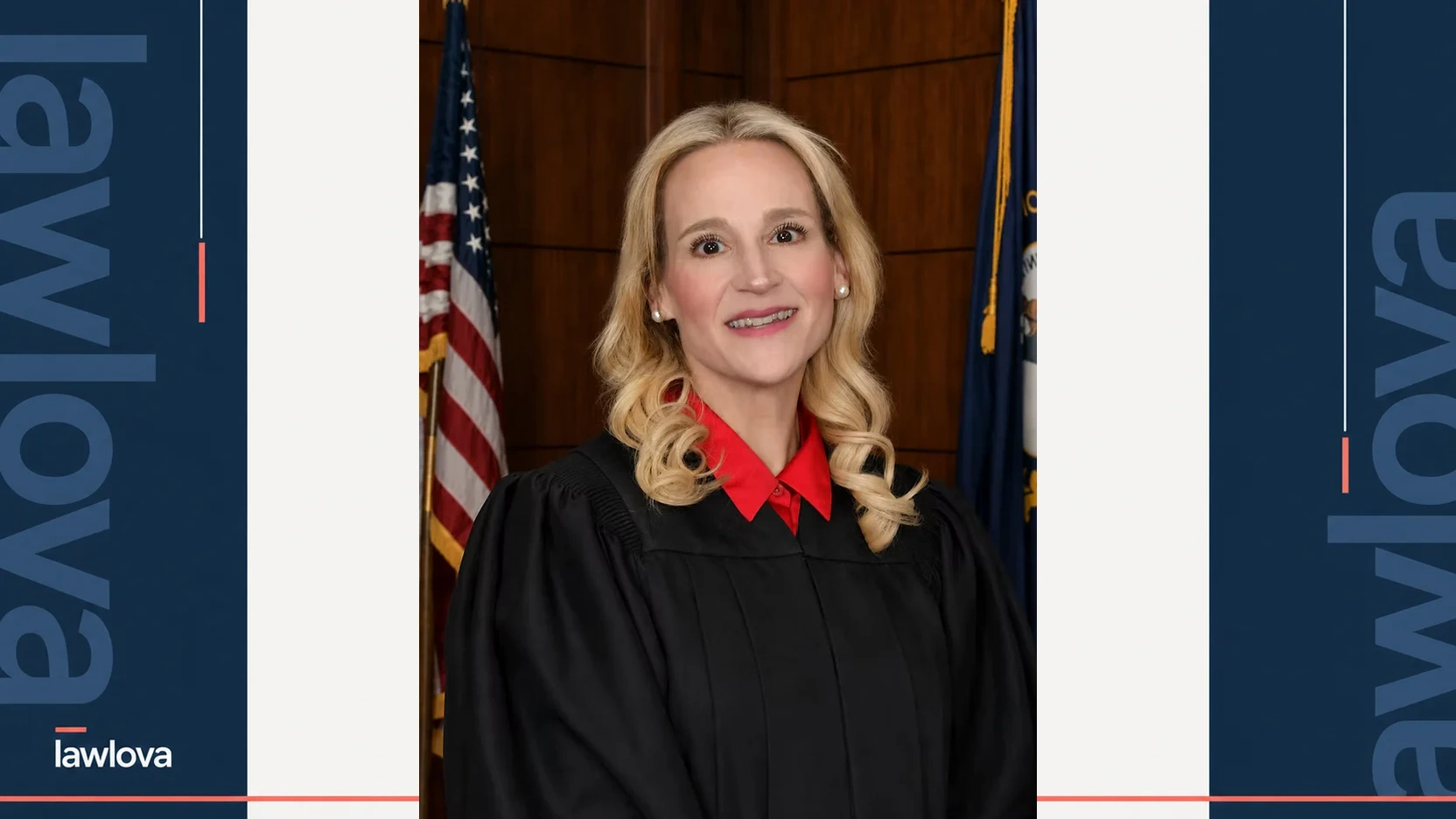
LOUISVILLE, Ky. — October 26, 2026 — A Louisville family court judge will be removed from the bench for 30 days without pay after Kentucky’s judicial watchdog found a pattern of misconduct involving custody disputes, domestic violence proceedings, courtroom behavior and compliance with appellate court rulings.
The Kentucky Judicial Conduct Commission issued an agreed order of suspension Monday against Judge Lauren Adams Ogden, who presides over Jefferson Family Court’s Division 4. The order cites misconduct across eight cases and identifies violations involving judicial competence, compliance with the law, impartiality, bias, the right to be heard and courtroom decorum.
Ogden’s suspension will begin at midnight on November 8 and continue through 11:59 p.m. on December 8. During that period, she is prohibited from performing judicial duties, using court resources or appearing at the Jefferson County Judicial Center.
The commission’s order states that Ogden waived formal proceedings, acknowledged the concerns raised during the disciplinary process and accepted responsibility for the administration of her courtroom and docket.
The findings offer a detailed account of how the commission concluded that the judge’s handling of several family court matters fell short of the standards expected of the judiciary.
One of the most serious findings involved a domestic violence proceeding in which Ogden issued an order without sufficient factual findings or supporting evidence in the record. According to the commission, the respondent was not permitted to introduce evidence or given a meaningful opportunity to be heard.
During the proceeding, Ogden reportedly said, “The standard is very low. I just have to decide who to believe.”
The commission found that the handling of the matter violated the respondent’s due process rights. The Kentucky Court of Appeals subsequently vacated the domestic violence order, according to reporting on the disciplinary decision.
The commission also scrutinized Ogden’s handling of a separate custody dispute in which she changed a child’s placement without adequate notice and procedural protections. The findings state that she prevented the father’s attorney from cross-examining witnesses and did not make the required findings before ordering a change in custody.
The circumstances were particularly significant because family court decisions can immediately affect a parent’s access to a child and the terms under which a family maintains contact while litigation proceeds.
The commission concluded that the judge’s conduct in these matters failed to provide litigants with the process required before consequential decisions were made.
Another case involved a father of three children whose unsupervised parenting time was suspended without sufficient findings that the children faced a risk of endangerment.
The Kentucky Court of Appeals reversed the ruling. However, the commission found that Ogden did not promptly restore the previous parenting schedule, despite the appellate court’s decision.
According to the disciplinary findings, the issue continued through five subsequent hearings before the prior schedule was restored approximately six months after the appellate ruling.
The episode formed part of the commission’s broader concern that the judge had not consistently followed the law or implemented appellate decisions promptly and completely.
Appellate review is a central safeguard in the court system. When a higher court reverses a lower court’s ruling, the lower court must comply with the resulting mandate. Delays in implementing that relief can have practical consequences for litigants, particularly in custody and parenting-time disputes that affect ongoing family relationships.
The commission also addressed a case in which Ogden denied a motion seeking her recusal without holding a hearing or providing an explanation.
Recusal rules are intended to protect public confidence in judicial impartiality and ensure that cases are decided by judges who can fairly consider the parties and the issues before them. The commission included the incident among the matters demonstrating concerns about Ogden’s handling of judicial responsibilities.
The disciplinary order went beyond the substance of the judge’s rulings, detailing behavior that the commission concluded undermined courtroom decorum and the appearance of impartiality.
The findings included allegations that Ogden rolled her eyes and smirked during testimony, spoke sarcastically, interrupted attorneys and laughed at a lawyer during proceedings.
In another incident, the commission cited a hearing in which Ogden ate and texted while a case was being considered. The order also described a hearing conducted while her judicial robe was unzipped, revealing a shirt decorated with two champagne glasses.
The commission further criticized comments made about a military servicemember’s stability and the ordering of a psychiatric evaluation without a sufficient basis in the record.
Taken together, the commission concluded that the incidents reflected more than isolated lapses in courtroom etiquette. They contributed to its findings concerning bias, impartiality and the proper exercise of judicial authority.
Ogden did not contest the disciplinary matter through formal proceedings. Under the agreed order, she acknowledged the commission’s concerns and accepted responsibility for managing her courtroom and docket.
The order also states that she has implemented changes intended to ensure that every party, including people appearing without an attorney, receives a full opportunity to be heard. The changes are also intended to ensure that the basis for court decisions is reflected in the record and that appellate rulings are implemented promptly and completely.
In addition to the unpaid suspension, Ogden must complete an educational course addressing proper conduct during hearings and due process within six months of the order. She must pay for the course herself and obtain the commission’s approval before completing it.
The suspension is temporary and does not itself remove Ogden from judicial office. She was elected to her seat in 2022, and her current term is scheduled to end in January 2031.
The Kentucky Judicial Conduct Commission is the body authorized under the state constitution to discipline sitting Kentucky judges. Its responsibilities include investigating complaints involving judicial misconduct, wrongdoing or disability and imposing sanctions when warranted.
Depending on the circumstances, sanctions can range from private or public reprimands to suspension or removal from office. The commission’s orders are subject to judicial review by the Kentucky Supreme Court.
The commission says its work is intended to promote public confidence in the integrity, independence, competence and impartiality of the judiciary.
Ogden’s case places particular attention on those principles in family court, where judges make decisions affecting custody, parenting time, domestic violence protections and other sensitive matters. The disciplinary order identifies repeated concerns involving the opportunity to be heard, the impartial treatment of parties and compliance with appellate rulings.
The 30-day suspension and required education are the sanctions imposed under the agreed order. Whether the corrective measures will address the commission’s concerns will be assessed in the course of Ogden’s return to judicial duties.
Updated October 27, 2026: Lawlova reached out to Judge Lauren Adams Ogden for comment through her judicial assistant, who provided the following statement on the judge’s behalf:
Judge Lauren Adams Ogden, Jefferson Family Court, Division Four, has agreed to the entry of an Agreed Order of Suspension by the Kentucky Judicial Conduct Commission. Judge Ogden waived formal proceedings. Under the Agreed Order, she will be suspended without pay for thirty days beginning November 8, 2026, and will complete an educational course relating to the conduct of hearings and due process.
Family Court matters, including custody, parenting time, and protective Orders, often require prompt decisions and place significant emphasis on the welfare of children. Judge Ogden recognizes that these and other considerations cannot come at the expense of giving every party a full and meaningful opportunity to be heard. She also recognizes that the demands of a busy Family Court docket, although substantial, cannot become an explanation for falling short of that obligation. She has acknowledged that her demeanor on the Bench was not always what it should have been.
Judge Ogden accepts responsibility for the conduct described in the Agreed Order. She has already put measures in place in the way she conducts hearings and manages her docket to address the issues identified by the Commission. Judge Ogden stated: “Every person who comes into my courtroom should leave knowing that he or she was heard. That responsibility rests with me. Families who come before the Family Court deserve both prompt attention and a full hearing, and I am committed to providing both. I respect the work of the Judicial Conduct Commission, and I accept its Order.”
Judge Ogden will return to the Bench at the conclusion of the suspension and will continue, and build upon, the corrective measures she has put in place.
About the author
Mitchell Keller writes for Lawlova.com News, covering developments involving lawyers, judges, and the legal system. His background began in radio at age 16, followed by work in his family’s business and a move into entrepreneurship in 2015. Based in the Pacific Northwest, Mitchell balances his work with raising his 2-year old daughter full time. His interest in communication and public affairs informs his focus on making legal news accessible to everyday readers.
Latest Legal News

More Stories
Cases
Former Florida Bar President Sued Over Handling of $350 Million Estate Dispute
Judges
New York Judge Kristina Karle Admits Improper Attempt to Influence Fellow Judge
Lawyers
Las Vegas Attorney Arrested After Loaded Handgun Is Discovered During Family Court Security Screening
Judges
Former Immigration Judge Alleges Pressure Over Rulings as Court Filings Detail Her Reassignment
Cases