
News
Federal Judge Rules Bill Essayli Is Unlawfully Serving As Los Angeles’ Top Federal Prosecutor
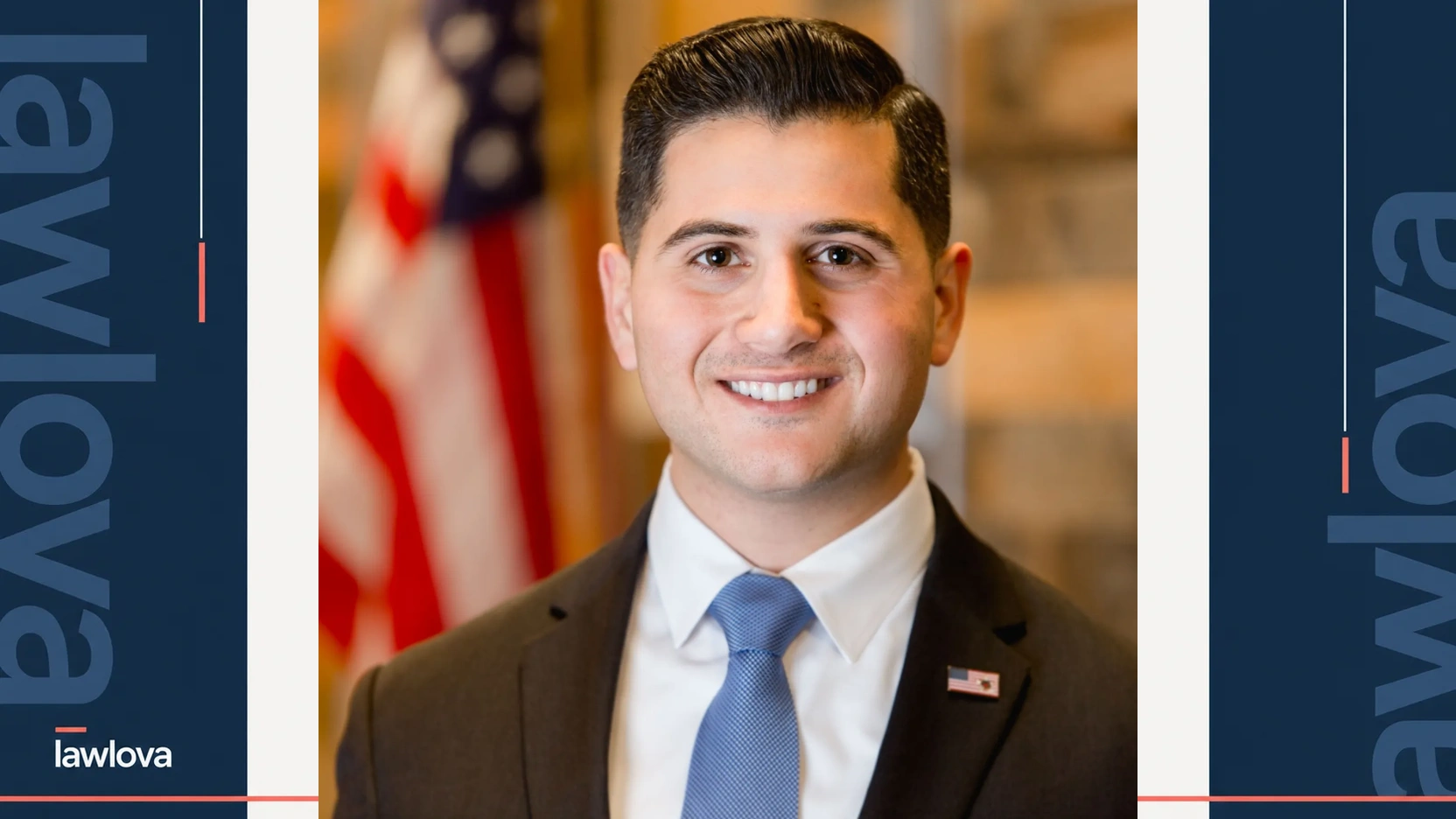
A federal judge has ruled that Bill Essayli, the Trump administration’s choice to lead federal prosecutions in Los Angeles, is unlawfully serving as the de facto head of the U.S. Attorney’s Office for the Central District of California, delivering another setback to the administration’s efforts to install prosecutors without Senate confirmation.
Senior U.S. District Judge J. Michael Seabright issued the ruling on October 27, finding that the Justice Department’s successive appointments and delegations of authority did not resolve the legal problems surrounding Essayli’s continued leadership of the office.
Seabright disqualified Essayli from participating in or supervising two criminal prosecutions, including overseeing the attorneys handling those cases. However, the judge delayed the disqualification from taking effect while the government pursues a possible stay pending appeal.
The decision does not immediately remove Essayli from his current position, and the judge declined to dismiss the two underlying indictments.
“In sum, Essayli is unlawfully serving as a ‘de facto’ United States Attorney,” Seabright wrote in the order, according to reporting by the Associated Press and the *Los Angeles Times*.
The dispute centers on federal laws governing temporary U.S. attorneys, the limits on their appointments and the role of Senate confirmation in filling vacant federal prosecutorial positions.
Essayli, a former Republican member of the California State Assembly and former federal prosecutor, was appointed interim U.S. attorney for the Central District of California in April 2025.
The office oversees federal prosecutions across a large region of Southern California, including Los Angeles and six other counties.
Under federal law, an interim U.S. attorney appointed by the attorney general may serve for a limited period. The statute governing these appointments generally limits an attorney general’s interim appointment under 28 U.S.C. § 546(c) to 120 days. If the position remains vacant after that period, the statute provides for the district court to appoint a U.S. attorney until the vacancy is filled.
As Essayli approached the end of his 120-day appointment, then-Attorney General Pam Bondi appointed him as a special attorney and designated him first assistant U.S. attorney.
The change in titles allowed Essayli to continue exercising substantial authority within the office after his interim appointment expired. He remained the administration’s leading federal prosecutor in Los Angeles, although he had not been nominated by the president and confirmed by the Senate as U.S. attorney.
The arrangement was challenged in court.
In October 2025, Seabright previously concluded that Essayli could not lawfully continue serving as acting U.S. attorney beyond the statutory limit. The judge nevertheless allowed him to continue working under his other designations, leaving open the question of whether those arrangements could lawfully permit him to exercise the powers of the office’s top prosecutor.
The issue returned to court after a federal appeals court issued a decision concerning a similar appointment in Nevada.
The latest ruling followed an August decision by the U.S. Court of Appeals for the Ninth Circuit involving Sigal Chattah, the Trump administration’s initial choice to lead the U.S. Attorney’s Office in Nevada.
The appeals court found Chattah’s appointment unlawful under the circumstances presented in that case. The decision raised questions about the Justice Department’s practice of using successive temporary appointments and first-assistant designations to keep preferred prosecutors in leadership positions without Senate confirmation.
Seabright concluded that the legal arrangement used to keep Essayli in charge was materially similar to the arrangement rejected by the Ninth Circuit.
The Justice Department attempted to distinguish Essayli’s position from Chattah’s by revising the scope of his delegated authority. Attorney General Todd Blanche issued a revised designation that expressly withheld certain statutory powers associated with the office of U.S. attorney.
At an October 13 hearing, a government attorney argued that the revised arrangement placed Essayli’s authority outside the limits identified by the appeals court.
Seabright rejected that argument.
The judge concluded that removing specific powers from Essayli’s delegation did not cure the underlying problem because the remaining arrangement still allowed him to function as the district’s de facto U.S. attorney.
The central question was not simply what title the Justice Department assigned Essayli, but whether the department could lawfully delegate authority that effectively placed him in charge of the office despite the statutory restrictions on temporary appointments.
The judge found that the revised designation did not meaningfully distinguish Essayli’s situation from the Nevada case.
The immediate dispute arose in two federal criminal cases in which defense attorneys challenged Essayli’s authority to supervise the prosecutions.
One case involves Jaime Hector Ramirez, who is charged with possessing a firearm and ammunition as a convicted felon.
The other involves Tu Anh Tran, who is charged with possessing property stolen from interstate or foreign shipment.
The charges are allegations, and the defendants are entitled to the presumption of innocence unless proven guilty.
Defense attorneys argued that Essayli’s authority to oversee the cases was unlawful and sought relief based on the appointment dispute.
Seabright agreed that Essayli could not lawfully participate in or supervise the two prosecutions under the challenged arrangement. The disqualification covers his involvement in the cases and his supervision of the attorneys handling them.
However, the judge declined to dismiss the indictments.
According to the *Los Angeles Times*, Seabright concluded that Ramirez and Tran had not demonstrated the substantial prejudice required to obtain dismissal on the grounds they raised.
The distinction is significant. The ruling addresses the authority of the official supervising the prosecutions; it does not establish that the charges themselves are invalid or that the defendants are entitled to have their cases dismissed.
The temporary delay in the disqualification also means the ruling does not immediately change who may supervise the two cases while the court considers the government’s request for appellate relief.
Essayli rejected the judge’s ruling and maintained that the administration has the authority to select Justice Department supervisors.
“We respectfully disagree with the court’s order,” Essayli said in a statement reported by the Associated Press.
He continued: “The President and the Attorney General have every right to select supervisors within the Justice Department.”
Essayli also said he expected the dispute ultimately to reach the nation’s highest court.
“Ultimately, this question will be decided by the Supreme Court, and I look forward to serving in my current role until then,” he said.
The Justice Department had argued that its revised designation of Essayli addressed the concerns raised by the Ninth Circuit’s Nevada decision. The judge was not persuaded that the changes cured the legal defect.
The government warned during earlier proceedings that immediately removing Essayli from supervisory responsibilities could create practical complications for the office and its pending cases. Prosecutors indicated that they intended to appeal an adverse disqualification ruling.
Seabright therefore delayed implementation of the disqualification to give the government time to seek a stay pending appeal.
Essayli’s case is not an isolated challenge to a federal prosecutorial appointment.
The Trump administration has faced similar litigation involving other prosecutors appointed to lead U.S. attorney’s offices without completing the ordinary Senate-confirmation process.
In New Jersey, former Trump personal attorney Alina Habba was disqualified from serving as the state’s acting U.S. attorney after a court found her appointment unlawful.
In New York, litigation challenged John Sarcone’s authority to lead the Northern District of New York’s U.S. Attorney’s Office.
In Nevada, the Ninth Circuit’s decision concerning Chattah provided the legal precedent that prompted renewed scrutiny of Essayli’s arrangement.
These disputes involve the relationship between the executive branch’s authority to manage the Justice Department and Congress’s statutory framework for filling U.S. attorney positions.
The attorney general has broad authority to supervise the department and delegate certain responsibilities. But federal law also establishes procedures for temporary appointments and the selection of permanent U.S. attorneys.
The courts have been asked to determine whether the administration’s appointment arrangements comply with those statutory limits or effectively allow temporary appointees to remain in charge beyond the periods Congress authorized.
The answer has implications beyond the individual prosecutors involved. It may determine how much flexibility the executive branch has when a U.S. attorney position remains vacant and whether an official who has not been confirmed by the Senate may continue exercising the office’s principal authority under a different title.
The Central District of California is one of the country’s largest federal judicial districts. Its U.S. Attorney’s Office prosecutes federal crimes across Los Angeles and surrounding counties and represents the federal government in civil litigation.
The ruling is narrower than a wholesale removal of Essayli or a determination that all prosecutions handled under his leadership are invalid.
Seabright’s order specifically disqualifies Essayli from participating in or supervising the Ramirez and Tran cases. The judge did not dismiss those indictments, and the disqualification was delayed pending further proceedings concerning the government’s request for a stay.
The ruling nevertheless places the legality of the leadership arrangement directly at issue. It also reinforces the importance of following statutory appointment procedures when federal officials exercise the powers of an office that ordinarily requires presidential nomination and Senate confirmation.
The government’s response to the ruling, and any subsequent decision by the district court or appellate court, will determine when the disqualification takes effect and whether the decision remains in place during an appeal.
The Justice Department has indicated that it intends to challenge the ruling. Under the schedule reported by the Los Angeles Times, the government has five business days to seek a stay pending appeal.
If the district court denies the requested stay, the disqualification could take effect under the court’s schedule, subject to further orders from the district court or an appellate court.
The broader appointment dispute could ultimately reach the U.S. Supreme Court, which has been asked to review related litigation concerning temporary federal prosecutors. Whether the Supreme Court agrees to hear the relevant cases, and what it ultimately decides, remain separate questions.
For now, Seabright’s ruling establishes that the revised appointment arrangement used to keep Essayli in charge does not satisfy the legal requirements identified by the court. Its immediate practical effect remains subject to the stay proceedings and any subsequent appellate action.
Lawlova News will continue to follow developments in the case, including any appeal, stay ruling or further decision addressing the authority of federal prosecutors appointed under similar arrangements.
About the author
Mitchell Keller writes for Lawlova.com News, covering developments involving lawyers, judges, and the legal system. His background began in radio at age 16, followed by work in his family’s business and a move into entrepreneurship in 2015. Based in the Pacific Northwest, Mitchell balances his work with raising his 2-year old daughter full time. His interest in communication and public affairs informs his focus on making legal news accessible to everyday readers.
Latest Legal News
More Stories
Judges
New York Judge Kristina Karle Admits Improper Attempt to Influence Fellow Judge
Cases
Kentucky Judge Suspended Without Pay After Misconduct Findings Across Eight Cases
Lawyers
Las Vegas Attorney Arrested After Loaded Handgun Is Discovered During Family Court Security Screening
Judges
Former Immigration Judge Alleges Pressure Over Rulings as Court Filings Detail Her Reassignment
Cases