
News
Fifth Circuit Removes Mississippi Judge From DEI Case After AI Errors
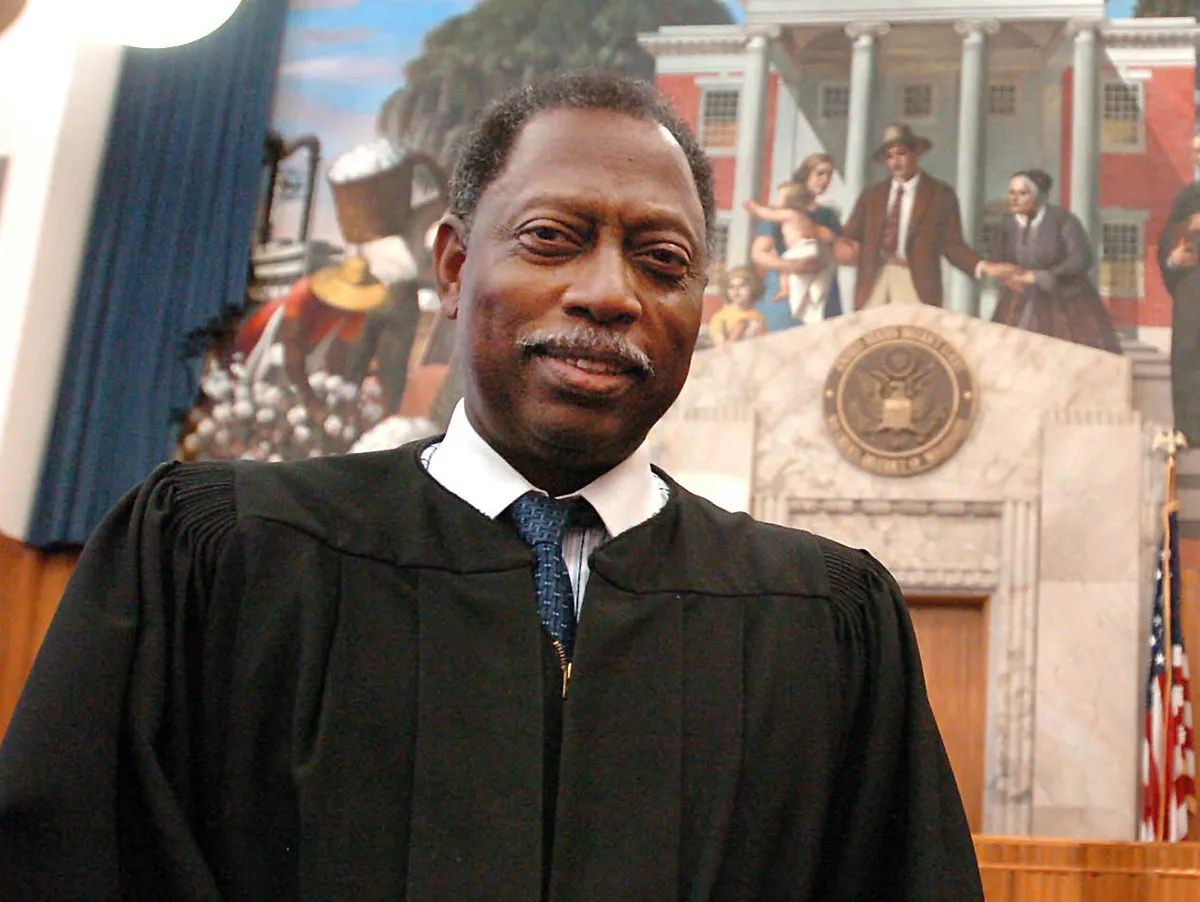
A federal appeals court ordered a new judge to take over a challenge to Mississippi’s restrictions on diversity, equity and inclusion programs Thursday, concluding that U.S. District Judge Henry T. Wingate’s handling of the case was undermined by fabricated material and serious legal errors.
The Fifth Circuit’s Oct. 22 ruling vacated a preliminary injunction that had blocked enforcement of the law and returned the lawsuit to the district court for reassignment.
Writing for the panel, Circuit Judge Jerry E. Smith detailed inaccuracies in Wingate’s orders, including references to people who were not parties, unsupported factual claims and a citation to a court decision that did not exist. The reassignment removes Wingate from this lawsuit, not from his position as a federal judge.
The problems began with a July 2025 temporary restraining order. According to the appeals court, that ruling included purported declarations absent from the record and language incorrectly attributed to Mississippi’s statute.
After state officials identified inaccuracies, the original order was replaced. But the replacement still cited a nonexistent decision, Cousins v. School Board of City of Norfolk. The later preliminary injunction incorporated the earlier order’s analysis, carrying the problem into the ruling under appeal.
The panel also faulted Wingate’s application of binding precedent when evaluating the constitutional challenge.
Wingate acknowledged a failure of oversight
Wingate had explained his chambers’ use of artificial intelligence in an October 2025 letter responding to questions from Senate Judiciary Committee Chairman Chuck Grassley.
The letter, addressed to Administrative Office of the U.S. Courts Director Robert J. Conrad Jr., said a law clerk used Perplexity to synthesize publicly available information from the docket. Wingate said no sealed, privileged, confidential or otherwise nonpublic case information was entered into the tool.
He described the July 20 order as an early draft that had not undergone the customary review process before being filed.
“This was a mistake,” Wingate wrote. He attributed the failure to inadequate human oversight, including the filing of a draft instead of a final opinion.
Wingate said he removed the inaccurate version from public view to prevent confusion and avoid having litigants cite it in other cases. He noted that a copy would be retained and that the flawed order was attached to a motion.
He also maintained that the inaccuracies did not change the core legal reasoning or outcome.
The underlying lawsuit challenges House Bill 1193, enacted in 2025 to restrict DEI activities in public education.
The challengers include educators, students, parents and organizations alleging violations of constitutional rights. The Fifth Circuit directed further consideration of the law, including the distinction between state control over publicly funded instruction and educators’ individual speech rights.
Plaintiffs’ attorney Robert McDuff told Reuters that the decision clarified protections for discussion of race, sex and civil rights while leaving other issues for further litigation.
Wingate’s written response outlined new safeguards. Draft opinions and orders would receive independent review by a second law clerk before reaching him, and copies of cited cases from Westlaw would accompany final drafts.
“It is my job to ensure the veracity of all cases cited and relied upon in my opinions and orders,” he wrote.
The drafting failures had already drawn attention to how federal courts supervise AI use. Grassley’s office released responses in October 2025 from both Wingate and New Jersey federal Judge Julien Xavier Neals concerning inaccuracies in separate court orders.
Neals adopted a written policy barring law clerks and interns from using AI to draft opinions or orders, alongside additional review procedures. Wingate’s approach focused on independent review and verification.
The Administrative Office also informed Grassley that an advisory AI task force had issued interim guidance in July 2025. Those suggestions addressed experimentation with AI and consideration of whether its use should be disclosed.
Grassley acknowledged the judges’ corrective steps while calling for stronger and more permanent safeguards.
The Mississippi case, Jackson Federation of Teachers v. Fitch, will now proceed before another district judge. The appellate case number is 25-60496.
Latest Legal News


More Stories
Cases
Rhode Island Sues Meta, Alleging It Profited From Scam Advertising
Cases
Judge Sets Trump Deposition Deadline in $10 Billion BBC Defamation Case
Judges
Judge’s Ties to Lawyer Put $125 Million Judgment at Center of Ethics Dispute
Lawyers